RXNT Named to TIME World's Top HealthTech Companies of 2026 for Second Consecutive Year

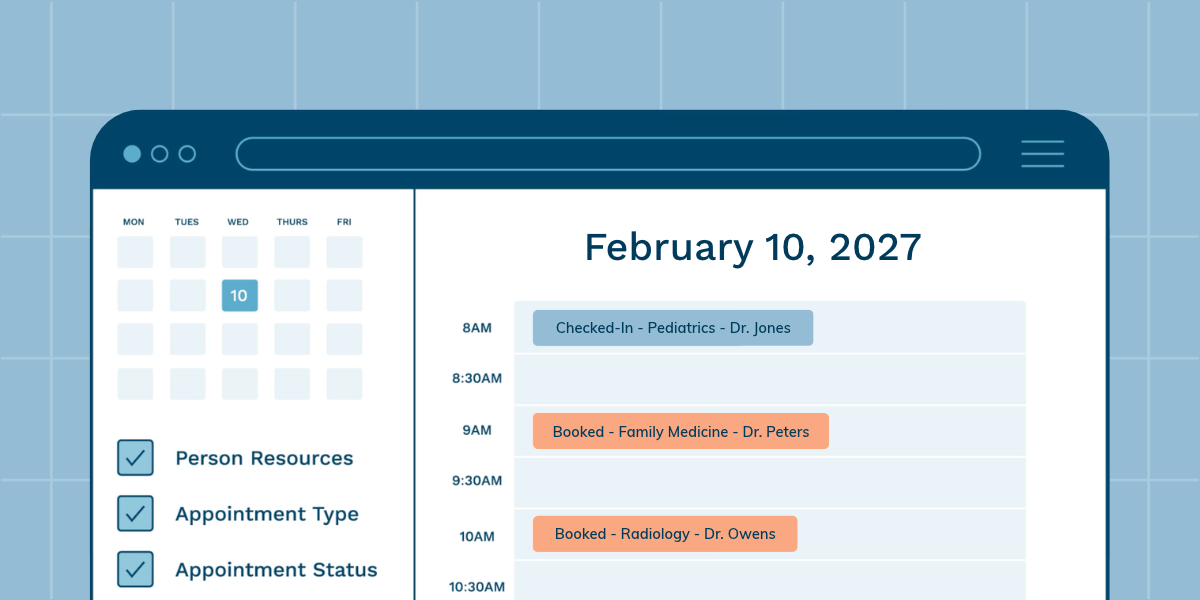
Discover how practice management software enhances multi-specialty practices with seamless scheduling, billing, and patient engagement.
Key takeaways
- RXNT stands out as the best overall practice management software for multi-specialty practices, combining scheduling, medical billing, revenue cycle management, patient engagement, and integrated clinical applications with transparent subscription pricing.
- Multi-specialty healthcare practices need a practice management system that accommodates different appointment types, billing requirements, provider schedules, and administrative workflows without creating operational silos.
- AdvancedMD, athenaOne, eClinicalWorks, NextGen Healthcare, and Tebra offer alternatives, with differences in workflow customization, revenue cycle management, automation, and pricing.
- Integrated medical practice management software can help organizations coordinate clinical and administrative operations across specialties, departments, and multiple locations.
- AI capabilities are increasingly important, but practices should distinguish between AI-powered clinical documentation, revenue cycle automation, and administrative workflow tools.
- The best multi-specialty practice management software should be evaluated on its total cost, interoperability, reporting capabilities, scalability, and ability to support specialty-specific workflows.
Please note: Pricing and feature details are based on publicly available information as of October 2026, and are subject to change. Please verify details accordingly.
Practices encompassing multiple specialties present next-level challenges compared to single-specialty organizations. A cardiology department may require diagnostic testing coordination and recurring follow-up appointments, while an orthopedic practice manages surgical scheduling, imaging referrals, and rehabilitation services. Primary care providers, meanwhile, often handle preventive visits, chronic disease management, and referrals to other specialists.
Coordinating these activities requires more than basic appointment scheduling and billing software. The right practice management software provides a centralized administrative infrastructure while accommodating the different workflows, reimbursement requirements, and patient populations of individual specialties.
Below, we examine practice management software solutions for multi-specialty healthcare practices, comparing their features, strengths, limitations, and pricing to help administrators identify the best fit for their organizations.
What Should Multi-Specialty Practices Look for in Practice Management Software?
A multi-specialty practice management system must balance standardization with flexibility. While administrators benefit from centralized reporting, consistent billing procedures, and shared patient information, individual departments need workflows appropriate to their specialties.
For practice leaders and decision-makers, several capabilities should be front-and-center:
- Flexible scheduling: Support for different appointment lengths, provider calendars, shared resources, multiple locations, and specialty-specific scheduling requirements.
- Comprehensive revenue cycle management: Claims submission, eligibility verification, denial management, payment posting, and reporting across different specialties and payers.
- Clinical integration: Connectivity between practice management software, EHR systems, e-prescribing, laboratories, and other clinical applications.
- Centralized reporting: Visibility into financial performance, appointment utilization, outstanding claims, and other operational metrics across providers and departments.
- Patient engagement: Online scheduling, appointment reminders, patient portals, digital forms, and electronic payment options.
- Scalability: The ability to accommodate additional providers, specialties, and locations without requiring separate administrative systems.
Interoperability is especially important. The Office of the National Coordinator for Health Information Technology identifies health information exchange as a fundamental component of coordinated healthcare delivery. For multi-specialty organizations, connected systems can reduce duplicate data entry and improve information accessibility.
The Best Practice Management Software Solutions for Multi-Specialty Practices
The following practice management software solutions offer capabilities designed to address the diverse administrative, financial, and operational needs of multi-specialty healthcare organizations. Each platform is evaluated based on its key features, strengths, limitations, and pricing, with particular attention to how effectively it supports multiple specialties within a unified practice management system.
RXNT — Best Overall Practice Management Software for Multi-Specialty Practices
RXNT offers a cloud-based platform integrating Medical Practice Management, Billing, Scheduling, Electronic Health Records, E-Prescribing, and Patient Engagement.
Its principal advantage for multi-specialty organizations is the ability to coordinate clinical and administrative activities through a connected software ecosystem while retaining flexibility in how individual products are purchased and deployed.
Key features and capabilities
RXNT’s Practice Management software includes appointment and resource scheduling, insurance eligibility verification, claims management, payment posting, denial management, and financial reporting. Practices can use these capabilities across departments while maintaining visibility into provider-level administrative and financial performance.
Organizations seeking broader integration can implement RXNT’s Full Suite, connecting practice management with EHR, e-prescribing, and patient-facing applications. This helps reduce the need to transfer information manually between separate systems.
RXNT also supports SMART on FHIR capabilities, HL7 laboratory and radiology interfaces, and will soon feature TEFCA connectivity through its partnership with Kno2, extending interoperability beyond its native applications.
For practices evaluating automation, RXNT offers Ambient IQ, an AI-powered clinical documentation tool. Although primarily a clinical rather than administrative feature, it can complement integrated workflows by reducing documentation demands and providing coding suggestions.
Strengths for multi-specialty practices: Centralized administrative functions, integrated clinical applications, modular purchasing options, published pricing, mobile access, and U.S.-based support. Standard onboarding and training are included, making implementation costs easier to forecast.
Limitations to consider: RXNT provides billing software but does not offer in-house billing services; however, RXNT can connect practices with third-party billing services.
AdvancedMD
AdvancedMD provides integrated practice management, EHR, billing, patient engagement, and analytics solutions for medical organizations.
Key features and capabilities
AdvancedMD supports appointment scheduling, claims management, insurance eligibility, payment processing, patient communications, and customizable reporting. Its workflow configuration options are relevant to organizations with different operational requirements across specialties.
The platform also offers revenue cycle services and automation capabilities designed to support billing departments managing substantial claim volumes.
Strengths for multi-specialty practices: Configurable workflows, comprehensive billing capabilities, financial analytics, and support for multiple providers and locations.
Limitations to consider: Pricing generally requires a customized quote. Organizations should carefully evaluate configuration, implementation, training, and integration requirements when estimating total ownership costs.
athenaOne
athenaOne combines practice management, EHR, patient engagement, and revenue cycle services in a cloud-based platform.
Key features and capabilities
The system supports scheduling, claims processing, financial reporting, patient communications, and payer connectivity.
Its AI-enabled revenue cycle capabilities include automated claim scrubbing, coding assistance, and denial-management recommendations. These functions may be useful for multi-specialty groups managing diverse coding requirements and reimbursement processes.
athenaOne also offers optional services for authorization management, medical coding, and enhanced claims resolution.
Strengths for multi-specialty practices: Integrated revenue cycle services, payer connectivity, AI-assisted billing workflows, and patient engagement capabilities.
Limitations to consider: athenaOne uses a percentage-of-collections pricing model rather than a published fixed monthly subscription. Practices with substantial collections should compare projected long-term costs against subscription-based alternatives such as RXNT.
eClinicalWorks
eClinicalWorks offers an integrated EHR and practice management platform with capabilities for medical billing, patient engagement, analytics, and population health management.
Key features and capabilities
The platform combines scheduling, claims processing, revenue cycle management, and clinical documentation. Its broader ecosystem includes patient engagement applications, interoperability tools, and population health capabilities.
These features may appeal to organizations managing patients across primary care and specialty departments, particularly where chronic disease monitoring and coordinated care are priorities.
eClinicalWorks also offers AI-enabled clinical documentation and administrative automation tools.
Strengths for multi-specialty practices: Integrated clinical and financial workflows, population health functionality, specialty support, and patient engagement tools.
Limitations to consider: The publicly advertised starting price generally applies to a combined EHR and practice management package rather than standalone PM software. Larger implementations and optional services may involve additional costs.
NextGen Healthcare
NextGen Healthcare provides practice management and clinical software designed for organizations ranging from independent practices to enterprise healthcare groups.
Key features and capabilities
NextGen Enterprise Practice Management integrates appointment scheduling, insurance eligibility, billing, claims processing, and reporting. Its centralized patient index supports access to consistent demographic information across locations.
The platform also offers configurable scheduling templates, automated eligibility verification, specialty-specific charge review rules, and financial analytics.
NextGen’s AI-related capabilities include clinical documentation tools, an intelligent workflow agent, and a charge review rules engine designed to identify coding discrepancies before claims processing.
Strengths for multi-specialty practices: Enterprise architecture, specialty-specific configuration, automated charge review, centralized patient information, and advanced reporting.
Limitations to consider: Enterprise pricing requires a customized quote. Implementation and configuration may require considerable planning, particularly for organizations migrating multiple departments from separate systems.
Tebra
Tebra combines practice management, EHR, medical billing, patient engagement, and practice growth tools.
Key features and capabilities
Tebra provides appointment scheduling, insurance verification, claims management, patient communications, online payments, and digital intake tools.
Its patient-facing capabilities include appointment reminders, online scheduling, and reputation management. These features can be valuable for multi-specialty groups seeking to standardize patient communications while supporting individual departments.
Tebra also offers AI-assisted capabilities within its broader clinical and practice platform.
Strengths for multi-specialty practices: Patient engagement, digital intake, scheduling, billing integration, and online reputation management.
Limitations to consider: Tebra has historically emphasized independent medical practices. Larger multi-specialty organizations should confirm that reporting, configuration, and multi-location functionality meet their requirements. Pricing varies according to products, providers, and selected services.
Practice Management Software Pricing Comparison
Pricing can significantly influence software selection, particularly when multiple specialties share administrative resources. The following table summarizes available pricing information and purchasing models.
| Vendor | Published starting price | Pricing considerations |
|---|---|---|
| RXNT | Approximately $213/provider/month for PM; $335/provider/month for Full Suite | Published subscription pricing; annual discounts available |
| AdvancedMD | Custom quote | Depends on products, services, and configuration |
| athenaOne | Custom quote | Percentage-of-collections model |
| eClinicalWorks | $599/provider/month | Advertised EHR + PM package; other plans and fees may apply |
| NextGen Healthcare | Custom quote | Enterprise pricing depends on requirements |
| Tebra | Custom quote for selected configuration | Varies by provider count, features, and services |
Pricing reflects advertised or reported 2026 starting figures, not guaranteed quotes. Confirm current pricing, included features, contract terms, and additional fees directly with each vendor.
Multi-Specialty Practice Management Software: Feature Comparison
The most important differences among these platforms extend beyond price. Practices should consider whether each solution can support their specialty mix, administrative structure, and anticipated growth.
| Software | Multi-specialty support | AI features | Key strengths | Main limitations |
|---|---|---|---|---|
| RXNT | Integrated PM, EHR, billing, scheduling, and multi-location workflows | Ambient IQ clinical documentation | Transparent pricing, modular products, integrated data, interoperability | Optional services cost extra |
| AdvancedMD | Configurable workflows and multi-location reporting | Clinical assistant, coding and administrative automation | Workflow flexibility, RCM, analytics | Custom pricing and configuration requirements |
| athenaOne | Integrated clinical and administrative platform | Coding, claim scrubbing, denial assistance | AI-enabled RCM and payer connectivity | Collections-based pricing |
| eClinicalWorks | Specialty EHR, PM, and population health integration | Clinical documentation and workflow automation | Population health and clinical integration | Bundled pricing and potential add-on costs |
| NextGen Healthcare | Enterprise architecture and specialty-specific workflows | Intelligent agent, documentation and charge review tools | Specialty configuration, enterprise analytics | Custom pricing and implementation complexity |
| Tebra | Integrated scheduling, billing, and patient engagement | AI-assisted clinical tools | Patient acquisition, communications, billing | Enterprise suitability requires evaluation |
How to Choose the Right Practice Management System for Your Organization
Selecting multi-specialty practice management software should begin with a detailed assessment of existing workflows rather than a comparison of feature lists alone. For example, a 25-provider organization combining primary care, cardiology, and orthopedics may need centralized billing and reporting while maintaining different scheduling templates and clinical documentation requirements for each department.
Administrators should evaluate how prospective platforms handle these distinctions and whether adding providers or locations introduces additional licensing, integration, or administrative expenses.
Request demonstrations that reproduce actual workflows, including scheduling patients across specialties, transferring information between clinical and billing systems, processing specialty-specific claims, and generating consolidated financial reports.
Practices should also consider long-term interoperability. The Centers for Medicare & Medicaid Services’ interoperability initiatives emphasize improving electronic information exchange and reducing administrative burdens. A platform’s ability to connect with external systems can be as important as its native functionality.
Finally, compare total ownership costs over several years, including subscriptions, implementation, staff training, support, optional modules, and future expansion.
Why RXNT Stands Out for Multi-Specialty Healthcare Practices
Multi-specialty organizations need a balance of operational consistency, specialty flexibility, and financial predictability. RXNT addresses these priorities through an integrated platform that connects practice management with clinical documentation, billing, e-prescribing, and patient engagement.
Its modular purchasing model also gives organizations flexibility. A practice can implement the administrative capabilities it needs and expand to the Full Suite as its requirements evolve.
For growing and enterprise multi-specialty groups, RXNT’s integrated workflows, interoperability capabilities, published pricing, and included U.S.-based support provide a compelling combination of functionality and cost transparency.
Choosing the right practice management software is an investment in the long-term efficiency and financial health of your organization. To learn how RXNT can support your multi-specialty practice’s scheduling, billing, revenue cycle management, and clinical integration needs, contact RXNT to request a personalized demonstration and discuss your organization’s requirements.
Frequently Asked Questions
What is the best practice management software for multi-specialty healthcare practices?
RXNT stands out as a strong overall choice for multi-specialty healthcare practices because it combines scheduling, medical billing, revenue cycle management, and patient engagement with integrated EHR and e-prescribing capabilities. Its published subscription pricing, modular product options, and interoperability features make it suitable for organizations seeking centralized administration across multiple specialties.
What is the difference between practice management software and an EHR?
Practice management software handles administrative and financial operations, including scheduling, insurance verification, claims processing, billing, and reporting. An electronic health record (EHR) manages clinical information, such as patient histories, diagnoses, medications, and treatment plans. Integrated platforms connect these functions to reduce duplicate data entry and improve coordination.
Can one practice management system support multiple medical specialties?
Yes. Multi-specialty practice management software can support different departments through configurable scheduling, provider-specific workflows, centralized billing, and consolidated reporting. However, the extent of specialty customization varies by vendor. Practices should verify that a prospective system accommodates their particular specialties and reimbursement requirements.
How much does multi-specialty practice management software cost?
Costs vary according to provider count, features, pricing model, and implementation requirements. Some vendors offer fixed per-provider subscriptions, while others use customized contracts or percentage-of-collections models. RXNT’s published Practice Management pricing is approximately $213 per provider per month, providing a starting point for budgeting. Additional licensing and optional service fees should also be considered.
Can practice management software help reduce claim denials?
Yes. Medical practice management software can help reduce preventable denials through automated eligibility verification, claim scrubbing, coding checks, and denial tracking. For multi-specialty practices, these capabilities are particularly valuable because different departments may have distinct coding and reimbursement requirements. However, successful denial reduction also depends on accurate documentation, staff procedures, and payer-specific billing rules.