RXNT Named to TIME World's Top HealthTech Companies of 2026 for Second Consecutive Year
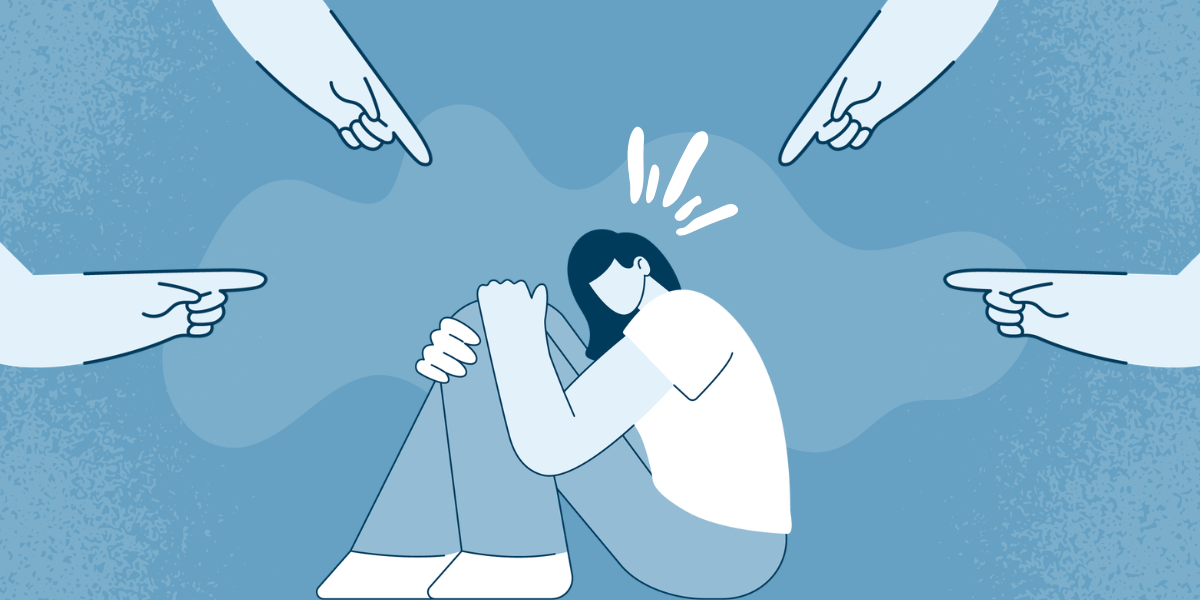
While the importance of mental healthcare is becoming more widely recognized, many people still struggle to get timely support due to a mix of social, financial, and structural obstacles that limit access to care.
Key takeaways
- Stigma, whether from friends and family, systemic barriers, or self-judgment, continues to discourage patients from seeking mental health care.
- The cost, insurance confusion, and limited availability of mental health professionals also make care difficult to access or sustain.
- Closing persistent gaps in care requires patient education and integrating mental health with primary care systems.
Even as mental health care becomes more mainstream, access to care remains inconsistent. Patients face personal, financial, and systemic barriers that can delay or prevent treatment, underscoring the need for more coordinated, accessible support pathways.
Access to mental health care isn’t just about provider availability. It’s shaped by perception, cost, and organizational systems. Despite growing mental health awareness, many patients still hesitate to seek care due to ongoing stigma, insurance and financial barriers, long wait times, fragmented healthcare systems, and unrecognized symptoms.
Understanding the interconnected barriers that keep patients from getting the care they need is essential to creating more effective, holistic solutions.
Reason #1: Stigma Around Mental Health Care
Stigma around mental health remains a top barrier for patients seeking treatment. According to the American Psychiatric Association, there are three main types of stigma that create obstacles to care: public, self, and structural.
- Public Stigma: When family, friends, employers, or society view those seeking mental health care as weak or dangerous. People may avoid treatment to prevent judgment or discrimination in their workplace or communities.
- Self-Stigma: The internalized belief to “tough it out” or handle mental health struggles alone rather than seek care. They may view therapy as a personal failure or dismiss their symptoms as personality flaws.
- Structural Stigma: The healthcare systems and policies that limit access to care, such as a lack of funding or limited services in comparison with other healthcare services.
These overlapping effects can increase fear or shame and deter people from seeking care, even when they recognize the need for help.
Reason #2: Cost and Insurance Barriers
While financial barriers to mental health care have fallen in recent years, cost and insurance issues remain a leading reason why patients struggle in seeking care.
High Out-of-Pocket Costs
Even when insurance covers mental health care, patients often face high deductibles and copays or coinsurance, which can quickly add up. Patients may not be able to afford ongoing therapy despite insurance coverage.
Confusing, Limited Insurance Coverage
Mental health benefits vary widely between insurance plans, with some requiring preauthorization or limiting the number of visits. Unclear or confusing insurance coverage may delay access to care or discourage patients from seeking it altogether.
Providers Don’t Always Accept Coverage
Mental health care providers are often overburdened with administrative responsibilities, limiting the amount of time they have available to sort out complex care coverage, causing many providers to operate out of network or not accept insurance.
This lack of coverage can result in patients:
- Paying high upfront costs
- Facing uncertainty over reimbursement
- Choosing a self-pay option
Providers can address these hurdles by building referral relationships with billing navigators or patient advocates, proactively helping patients verify behavioral health benefits before the first appointment, and being familiar with sliding-scale or community mental health options as alternatives when commercial coverage falls short.
Reason #3: Access and Availability Issues
Even when patients are ready to seek care, finding a mental health professional can be surprisingly difficult. Appointments with psychiatrists, licensed therapists, or psychologists can be hard to come by, especially for patients living in rural or underserved communities.
Rural and underserved communities face some of the steepest access gaps, driven by factors beyond just supply and demand. Since 2005, over 200 rural hospitals have been shut down, and over 400 are still at risk of closing in the near future. When a rural health system closes or consolidates, behavioral health services are often among the first to be cut, since they typically operate at lower margins than procedural specialties.
On a similar note, mental health professionals tend to cluster in urban and suburban markets where patient volume supports viable independent or group practices—and for the professionals who don’t, burnout is a significant concern, leading to high turnover and continuity-of-care issues.
Because of this, patients often face long waitlists and limited availability, forcing them to rearrange work or family responsibilities just to secure an appointment. For people already battling depression, anxiety, or other mental health challenges, these obstacles may feel impossible to overcome.
Many people seeking mental health care are in need of timely support, not months-long wait times. The lack of accessible, immediate mental health care can result in patients postponing or abandoning care altogether. Providers can help by offering telehealth appointments or prioritizing urgent cases on waitlists—but it cannot substitute for a larger systemic change to workforce investment and equitable reimbursement structures.
Reason #4: Fragmented Systems
Mental health care’s separation from the broader healthcare system creates notable gaps in care quality and coordination. A primary care provider may screen a patient positively for depression or anxiety and generate a referral, but disconnected or incompatible records between providers’ systems can produce clinical risks:
- Gaps in care: When mental health records aren’t shared across systems, providers are working with an incomplete clinical picture.
- Lack of follow-up: Without a shared system that closes the referral loop, there’s no reliable mechanism for a referring provider to confirm a patient actually completed the handoff to a mental health specialist.
- Medical errors: When providers can’t see each other’s notes, patients may undergo redundant psychiatric evaluations, receive duplicate prescriptions, or be given treatment recommendations that directly contradict what another provider has already established.
This fragmentation also makes it harder for patients to navigate their own care. They may be managing multiple health portals or coordinating their treatment plan between siloed providers. Patients can easily feel unsupported or get lost in the disconnected systems. Integrating mental health care into primary care through collaborative digital systems, such as electronic health records (EHRs), can help reduce barriers to mental health care.
Reason #5: Lack of Awareness or Recognition
Mental health conditions are often called “invisible disabilities” because their symptoms rarely announce themselves clearly. Unlike a physical condition with an obvious cause, the early signs of a mental health condition are easy to dismiss, which means many patients don’t connect what they’re experiencing to a need for clinical care until the condition has significantly progressed.
That’s why it’s important to educate patients on the early warning signs of mental health conditions, including:
- Persistent feelings of sadness or emptiness
- Low energy or fatigue that doesn’t improve with rest
- Feeling numb, losing interest in things they used to enjoy
- Sleeping much more or much less than usual
- Trouble concentrating
- Feeling constantly worried or unable to relax
- Increased irritability
- Withdrawing from friends, family
Building Better Mental Health Care Access for Patients
Healthcare providers can reduce the obstacles patients face when seeking mental health treatment through open conversations and integrated care systems and tools.
RXNT’s cloud-based EHR software streamlines electronic referrals and enables seamless data exchange between patients and providers, improving access and coordination of care.
Ready to enhance mental health care? Schedule a free demo today.
FAQs
What are the top barriers to mental health care?
Patients often face interconnected barriers to care, including stigma, high costs, confusing insurance rules, provider shortages, and fragmented care systems.
How do access issues affect rural patients?
Rural and underserved areas often face longer wait times and fewer provider options. Lack of immediate help can discourage patients from seeking care.
What mental health symptoms should providers help patients recognize?
Providers should encourage awareness of common signs such as changes in sleep or appetite, loss of interest in activities, constant worry or feeling down, and withdrawal from relationships.