RXNT Named to TIME World's Top HealthTech Companies of 2026 for Second Consecutive Year
The right EHR solution can transform your healthcare delivery, streamline workflows, and position your practice for sustainable growth.
With more than 88% of U.S. office-based physicians already using EHR systems, the question isn’t whether to adopt digital records—it’s about choosing the solution that will drive your practice forward. As we begin 2026, small practices face unique challenges that require sophisticated yet accessible technology solutions.
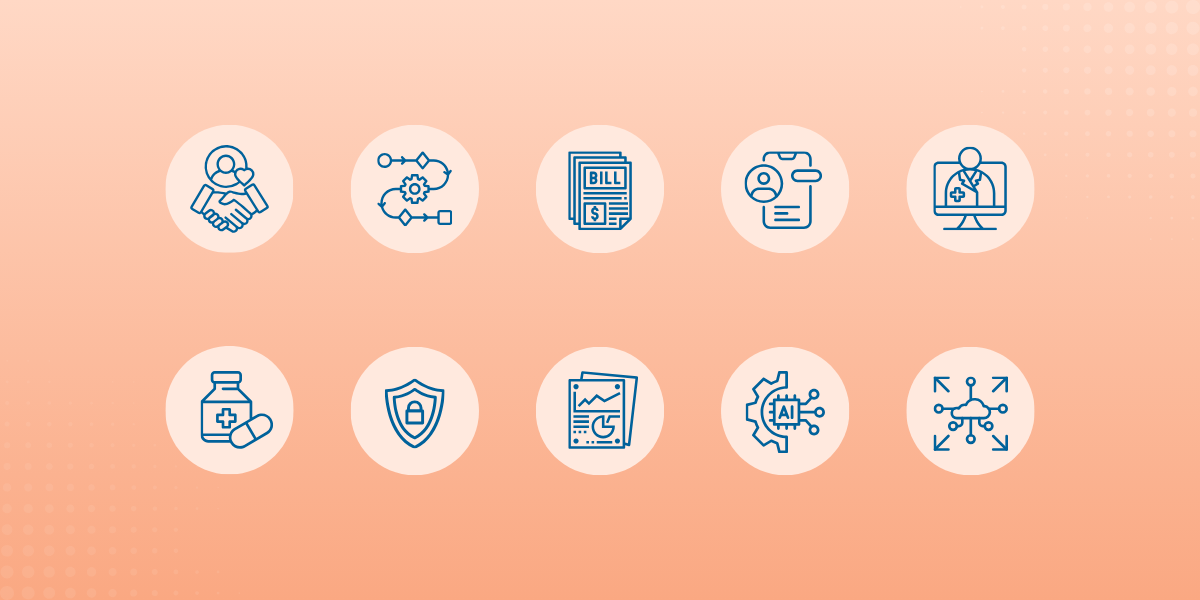
Understanding essential EHR features helps practices make informed decisions that impact both operational efficiency and patient care quality. The right EHR solution can transform your healthcare delivery, streamline workflows, and position your practice for sustainable growth. Here are the ten essential features every small practice should prioritize when evaluating EHR options.
1. User-Friendly Interface That Your Staff Will Actually Use
Your EHR system is only as effective as your team’s willingness to use it. A user-friendly interface reduces training time, minimizes errors, and improves staff satisfaction. Look for systems with intuitive navigation, clear visual design, and logical workflow patterns that mirror how your practice naturally operates.
The best interfaces require minimal clicks to complete common tasks and provide customizable dashboards that display the information most relevant to each user role. When staff can navigate the system effortlessly, they spend more time focusing on patient care rather than struggling with technology. This directly impacts productivity and reduces the frustration that often accompanies EHR adoption.
2. Customizable Workflows That Adapt to Your Practice
Every medical practice operates differently, and your EHR should reflect your unique processes rather than forcing you to change them. Customizable workflows allow you to configure the system to match your specialty’s requirements, appointment types, and documentation preferences.
Most modern EHR software systems offer template customization, specialty-specific forms, and configurable clinical pathways. This flexibility ensures that whether you’re running a family practice, cardiology clinic, or dermatology office, your EHR supports your specific needs.
3. Integrated Billing Systems for Financial Efficiency
Financial management can make or break a small practice, and integrated billing capabilities eliminate the complexity of managing separate systems. When your EHR includes robust billing features, you can process claims faster, track payments more effectively, and reduce administrative overhead.
Integrated billing systems automate payment processing, manage claims submissions, and provide real-time revenue tracking. This integration reduces data entry errors, speeds up reimbursement cycles, and provides better visibility into your practice’s financial health. Practices using integrated solutions often see 50% reduction in reimbursement time, allowing for improved cash flow management.
4. Mobile App Patient Portals for Enhanced Engagement
Patient engagement has become a cornerstone of quality healthcare delivery, and mobile patient portals provide the accessibility patients expect. These platforms allow patients to access their health information, communicate with providers, and manage appointments from their smartphones or tablets.
Effective patient portals include features like secure messaging, appointment scheduling, lab result access, and prescription refill requests. When patients can actively participate in their care management, satisfaction scores improve, and administrative calls decrease.
5. Telehealth Capabilities for Remote Care Delivery
The pandemic accelerated telehealth adoption, and this trend continues to reshape healthcare delivery. Your EHR should include seamless telehealth integration that allows you to conduct virtual consultations without switching between multiple platforms.
Integrated telehealth capabilities support remote consultations, follow-up appointments, and chronic disease management. This functionality expands your practice’s reach, improves patient convenience, and provides additional revenue opportunities.
6. E-Prescribing Workflows for Medication Safety
Electronic prescribing has evolved beyond basic prescription transmission to include sophisticated safety features and workflow optimization. Modern e-prescribing tools include automatic drug interaction checks, allergy alerts, and formulary information that helps you make informed prescribing decisions.
Advanced e-prescribing workflows support controlled substance prescriptions, prior authorization management, and medication adherence monitoring. These features improve patient safety, reduce prescription errors, and streamline pharmacy communications. EPCS-certified solutions ensure compliance with regulatory requirements while enhancing prescribing efficiency.
7. Compliance and Security Features for Data Protection
Healthcare data security isn’t optional—it’s a fundamental requirement that protects both your practice and your patients. Your EHR must include robust security measures like end-to-end encryption, multi-factor authentication, and detailed audit trails.
Compliance features should address HIPAA requirements, state regulations, and industry standards automatically. Look for systems that provide regular security updates, staff training resources, and Business Associate Agreements (BAAs).
8. Robust Reporting and Analytics for Data-Driven Decisions
Data-driven decision-making separates successful practices from those that struggle to grow. Your EHR should provide detailed reporting capabilities that help you understand practice performance, patient trends, and financial metrics.
Effective analytics tools track key performance indicators, monitor patient outcomes, and identify operational inefficiencies. These insights enable you to optimize workflows, improve patient care protocols, and make informed business decisions. Practices using robust analytics report better resource allocation and improved operational efficiency.
9. AI-Powered Documentation Tools for Administrative Efficiency
Artificial intelligence is revolutionizing healthcare documentation, and AI-powered scribes can dramatically reduce administrative burden. These systems can generate clinical notes with the click of a button, while saving up to 70% of the time typically spent on documentation—allowing providers to focus more on patient interaction and less on paperwork.
This technology improves work-life balance for providers while maintaining documentation quality and compliance requirements. The time savings translate directly into increased patient capacity and improved provider satisfaction.
10. Scalability and Pricing Transparency for Growth
Small practices need EHR solutions that can grow with them without creating financial surprises. Scalable systems accommodate additional providers, locations, and features as your practice expands (even across specialties), while transparent pricing models help you budget effectively.
Look for solutions that offer flexible licensing options, clear upgrade paths, and predictable costs. Affordable EHRs should provide value without compromising functionality. Transparent pricing eliminates hidden fees and allows you to plan for growth confidently.
Making the Right Choice for Your Practice’s Future
Evaluating EHR features and benefits requires careful consideration of your practice’s current needs and future goals. The best EHR for small practices combines usability with powerful functionality, supporting both immediate operational requirements and long-term growth objectives.
When you partner with the right EHR provider, you gain more than software—you gain a technology partner committed to your success. By prioritizing these ten essential features, you can select a solution that truly supports your mission of delivering exceptional patient care while building a thriving medical practice.