RXNT Named to TIME World's Top HealthTech Companies of 2026 for Second Consecutive Year
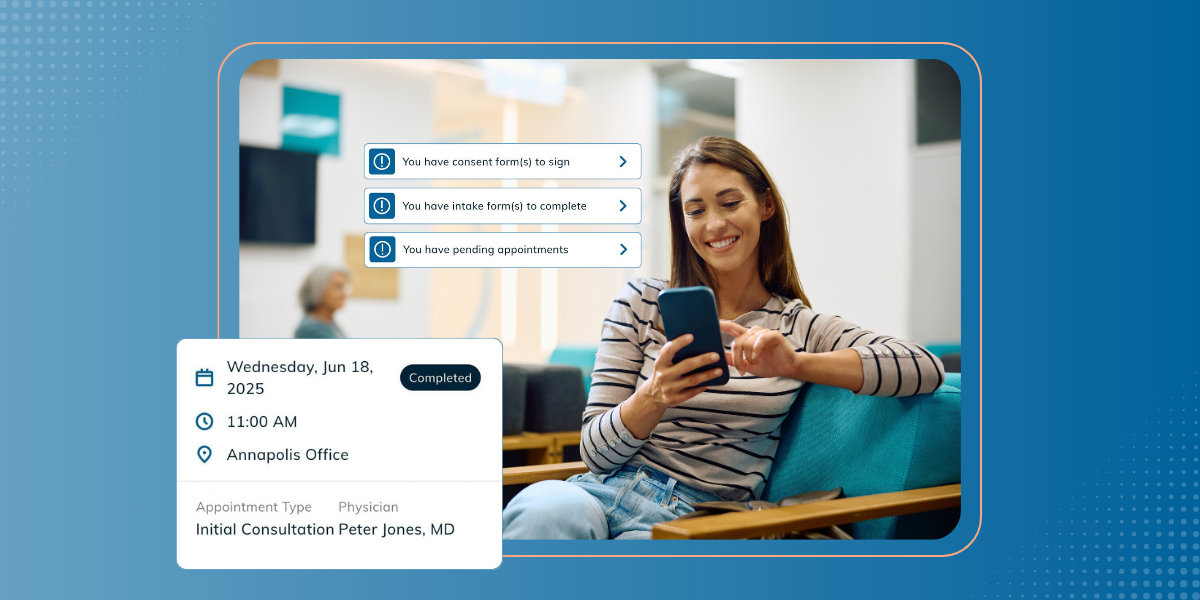
When administrative systems are inefficient or disconnected, the resulting friction can quickly become patient frustration.
Key takeaways
- A more resilient patient experience starts with reducing unnecessary friction throughout the patient journey.
- Patients increasingly expect healthcare experiences to be convenient, accessible, and easy to navigate.
- Administrative friction can take many forms, including difficult scheduling, repeated paperwork, long waits, billing problems, and communication gaps.
- Technology can help practices simplify routine processes while giving staff more time to focus on patients.
Healthcare is complicated for patients. They may be managing symptoms, coordinating appointments, understanding treatment plans, dealing with insurance, and balancing healthcare with work and family responsibilities.
Medical practices can’t remove every challenge from the healthcare journey. They can, however, make their own processes easier to navigate. When administrative systems are inefficient or disconnected, the resulting friction can quickly become patient frustration.
So how can practices prevent internal friction from becoming patient friction? The answer starts with identifying unnecessary barriers and finding ways to remove them.
What Patient Resilience Looks Like in Healthcare
Patient resilience refers to a patient’s ability to navigate the challenges of managing their healthcare and keep engaging with care.
Patients are already doing a significant amount of work to manage their health. They may need to remember appointments, complete forms, communicate with providers, understand bills, manage medications, and coordinate care between multiple organizations.
Practices can either add to that workload or make the process easier.
Patient expectations are also changing. Consumers are accustomed to convenient, digital-first experiences in other areas of their lives and increasingly expect similar convenience from healthcare, including online scheduling, digital communication, electronic forms, and easy access to information.
Where Administrative Friction Shows Up
Administrative friction is the unnecessary effort patients and staff encounter while completing routine healthcare tasks. Common examples include:
- Long wait times
- Repeatedly providing the same information
- Difficult scheduling processes
- Paperwork and manual forms
- Confusing or inaccurate bills
- Delayed communication
- Limited access to information
These problems may seem like internal operational issues, but patients experience their effects directly.
The Ripple Effect of Administrative Friction
A practice’s internal processes shape the patient experience, even when patients never see those processes firsthand.
Disconnected workflows create repeated work
When systems don’t communicate, staff may have to enter the same information multiple times. Patients may also be asked to repeat information they already provided.
For example, information collected during scheduling shouldn’t have to be manually re-entered during billing. Connected systems can help reduce duplicate data entry and the errors that can accompany it.
Manual processes can increase wait times
Administrative tasks that depend on manual data entry, phone calls, or paperwork can take staff away from other responsibilities. Those delays can eventually reach patients through longer wait times or slower responses.
Scheduling is a particularly important part of this experience. Patients often form their first impression of a practice before they ever arrive for an appointment. Practices can learn more about creating an efficient patient scheduling experience and identify opportunities to make scheduling, check-in, reminders, and other steps easier for patients.
Billing problems create confusion and frustration
Patients may not understand why they received a particular charge, why an insurance claim was denied, or why a bill contains incorrect information.
These issues can require additional calls and messages between patients, practices, and insurers. More importantly, billing problems can affect trust. Billing errors can create confusion and frustration while adding administrative and financial burdens for practices. Using technology appropriately can prevent billing errors and help build patient trust.
Communication gaps can cause delays
Patients need clear information about appointments, prescriptions, test results, and other aspects of their care. When communication is inconsistent or difficult to access, patients may miss appointments, delay necessary steps, or spend additional time trying to reach the practice.
In fact, poor communication and long wait times are among the common sources of patient dissatisfaction. Practices can explore three major causes of patient dissatisfaction and strategies for addressing them.
Staff overload becomes patient friction
Administrative friction also affects the people responsible for serving patients. When staff spend large amounts of time on repetitive tasks, they have less time and energy for patient-facing work. Over time, this can contribute to stress and burnout, which can affect the quality of patient interactions.
Employee experience and patient experience are closely connected. The more a practice supports employee wellness, the better the patient satisfaction tends to be. Practices looking to improve patient satisfaction should consider whether their teams have the tools and support they need to do their jobs effectively.
Five Ways to Create a Smoother Patient Experience and Build Patient Resilience
Reducing administrative friction doesn’t require a complete transformation of a practice. Start by identifying the points in the patient journey where people regularly encounter delays, confusion, or unnecessary steps.
Simplify scheduling and communication
Give patients convenient ways to schedule appointments, receive reminders, ask questions, and access important information. Self-service options can reduce unnecessary phone calls while giving patients greater control over routine tasks.
Streamline administrative workflows
Look for places where staff repeatedly enter information, move data between systems, or manually complete tasks that could be automated. Eliminating unnecessary steps benefits employees and patients.
Give staff more time to focus on patients
Technology shouldn’t simply add another layer to a practice’s workflow. The right tools should reduce administrative work and help staff spend more time answering questions, solving problems, and interacting with patients.
Create consistency across the patient journey
A patient’s experience should feel connected from scheduling through check-in, the visit, billing, and follow-up. Consistent processes and accessible information can reduce the uncertainty that often creates frustration.
A More Resilient Patient Experience Starts Behind the Scenes
Patients will always face challenges when navigating healthcare. Practices can’t control every part of that journey, but they can control the friction they introduce along the way.
Every administrative process is ultimately part of the patient experience. A scheduling workflow, billing system, communication process, or intake form may feel like an internal operational detail, but patients experience the outcome.
Reducing unnecessary administrative friction by utilizing solutions like RXNT can make healthcare easier for patients while creating a more manageable environment for staff. When practices simplify the processes behind the scenes, they give patients fewer obstacles to navigate and their teams more time to focus on what matters most: providing care.
Frequently Asked Questions
What is patient resilience in healthcare?
Patient resilience is a patient’s ability to navigate the challenges of managing their healthcare and continue engaging with care. Practices can support resilience by reducing unnecessary administrative barriers.
What is administrative friction in healthcare?
Administrative friction is the unnecessary effort patients and staff encounter when completing routine healthcare tasks, such as scheduling appointments, completing forms, communicating with a practice, or managing bills.
How can medical practices reduce patient frustration?
Practices can reduce patient frustration by simplifying scheduling and communication, providing convenient digital tools, streamlining administrative workflows, reducing repetitive tasks, and making information easier for patients to access.