RXNT Named to TIME World's Top HealthTech Companies of 2026 for Second Consecutive Year
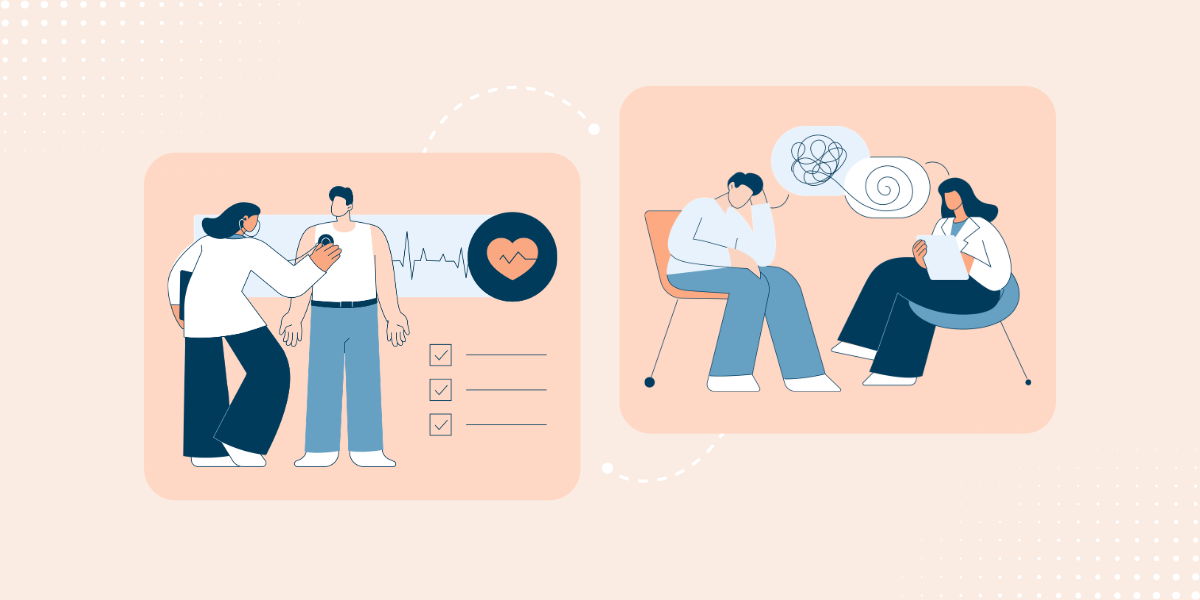
Delivering whole-person care requires tools that support more connected, comprehensive experiences across the care journey.
Key takeaways
- Physical and mental health are interconnected, and treating one without the other can limit patient outcomes.
- Holistic care improves patient engagement and adherence, leading to more consistent follow-through and better results.
- Small changes like mental health check-ins and referrals can make a meaningful impact without overhauling workflows.
- Whole-person care creates a more connected, patient-centered experience that builds trust and supports long-term wellness.
Physical and mental health are deeply connected, yet they’re often treated separately in traditional care settings. Unfortunately, a fragmented approach to care can lead to missed insights, lower patient engagement, and less effective outcomes. By taking a more holistic, patient-centered approach that integrates both physical and mental health, providers can bridge the gap.
Rethinking the Divide Between Physical and Mental Health
Physical and mental health don’t operate in isolation—they constantly influence one another. In fact, nearly 1 in 3 people with a physical health condition also have a mental health problem, such as anxiety or depression. For example, the ongoing stress of managing chronic physical conditions can take a significant toll on mental health—increasing the risk of anxiety, depression, and emotional burnout.
The relationship also works in the other direction. Mental health conditions can directly impact physical health outcomes. Depression is associated with changes in sleep, appetite, energy levels, and immune function. Anxiety can contribute to increased heart rate, gastrointestinal issues, and chronic stress responses.
When these conditions intersect, they can create a cycle that’s difficult to break. Without addressing both sides of the equation, care remains incomplete.
Treating One Problem at a Time Isn’t Enough
When providers address both physical and mental health concerns, patients often feel a difference in how they’re treated. Addressing both physical and mental health together sends a clear message: the goal isn’t just to manage symptoms but to understand the full picture. That sense of being seen and understood can significantly impact patient trust, engagement, and outcomes.
Coordinated, cross-disciplinary care plays a critical role. When providers communicate across disciplines—whether that’s primary care, behavioral health, or specialists—patients are more likely to receive consistent guidance and support. This alignment can improve adherence to treatment plans and lead to better recovery outcomes, as patients aren’t left navigating fragmented or conflicting recommendations on their own.
It’s also important to recognize how easily physical symptoms can overshadow mental health concerns. In many cases, the most visible or urgent issue becomes the primary focus, while underlying emotional or psychological factors go unaddressed. A patient presenting with chronic pain, for example, may also be dealing with anxiety or depression that influences how that pain is experienced and managed.
Primary Care settings are uniquely positioned to help bridge this gap. For many patients, a primary care provider is the first, and sometimes only, point of contact within the healthcare system. Integrating mental health screening and conversations into routine visits helps normalize these discussions, reduce stigma, and identify concerns earlier.
On the other hand, a more specialized practice—such as a cardiology clinic—may focus primarily on managing a patient’s heart condition, while symptoms like fatigue, sleep disruption, or medication nonadherence could be influenced by underlying anxiety or depression. Without integrated mental health awareness, these contributing factors can be overlooked, potentially impacting treatment outcomes and long-term patient health.
Why Patients Respond to Whole-Person Care
When providers consider both physical and mental aspects of health, patients benefit in several meaningful ways.
- Better health outcomes: For example, a patient with diabetes and depression may struggle with medication adherence or lifestyle changes; addressing both improves results.
- Improved follow-through: When patients feel heard and understood, they’re more engaged and active in their care.
- More consistent attendance: Addressing mental health barriers like anxiety or stress can help reduce missed appointments.
- Stronger long-term habits: Supporting both physical and mental health helps patients sustain healthier routines over time.
Simple Ways To Support Both Mental and Physical Health in Your Practice
Comprehensive care can start with small, intentional changes that acknowledge the connection between physical and mental health.
- Treat the patient as a whole person by considering emotional, social, and lifestyle factors alongside physical symptoms.
- Incorporate brief mental health check-ins into routine visits using simple, open-ended questions.
- Normalize mental health as part of overall wellness, not a separate conversation.
- Look beyond the primary complaint and consider whether physical symptoms may be linked to mental health conditions.
- Provide referrals to behavioral health specialists when additional support is needed.
- Coordinate care across providers to ensure consistent, aligned treatment plans.
- Encourage patient participation in care plans to build trust and empower them to make their own healthcare decisions.
- Create a supportive, judgment-free environment where patients feel comfortable sharing concerns.
The Role of Technology in Treating Both Physical and Mental Health
Delivering whole-person care requires tools that support more connected, comprehensive experiences across the care journey. With RXNT, providers can streamline workflows, improve documentation, and enhance communication across the care teams, making it easier to identify and address both physical and mental health needs in one place. When systems are integrated, care becomes more coordinated, and patients are more likely to feel seen, heard, and supported, both during and between visits.
Ready to deliver more connected, whole-person care? Explore how RXNT can help you elevate the patient experience today.
FAQs
Why is it important to treat both physical and mental health together?
Physical and mental health are closely connected, and addressing both leads to more accurate diagnoses, better outcomes, and improved overall well-being.
How can providers incorporate mental health into routine care?
Providers can start by adding brief mental health check-ins during visits, normalizing conversations around emotional well-being, and offering referrals when additional support is needed.
What are the benefits of comprehensive care for patients?
Whole-person care can improve patient engagement, increase adherence to treatment plans, and lead to better long-term health outcomes by addressing the full picture of a patient’s needs.
Does comprehensive care require major changes to workflows?
Not necessarily. Small adjustments like improved communication, routine screening, and better care coordination can make a meaningful impact without overhauling existing processes.